

Food sector clothing in a sustainable package
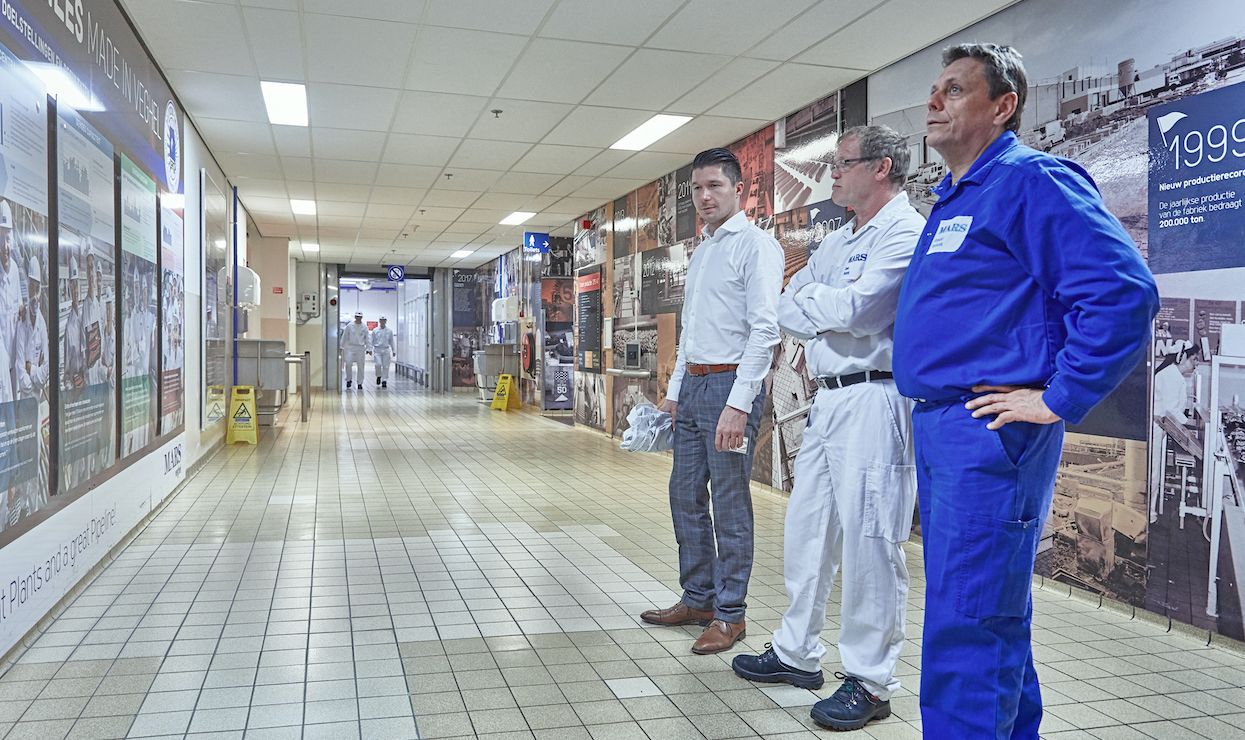
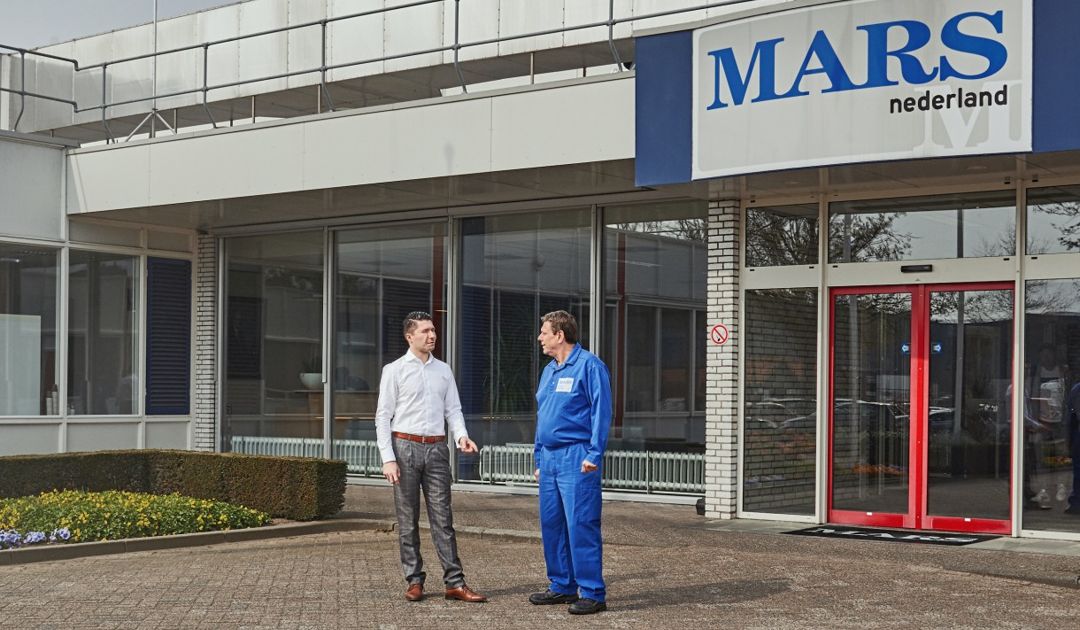
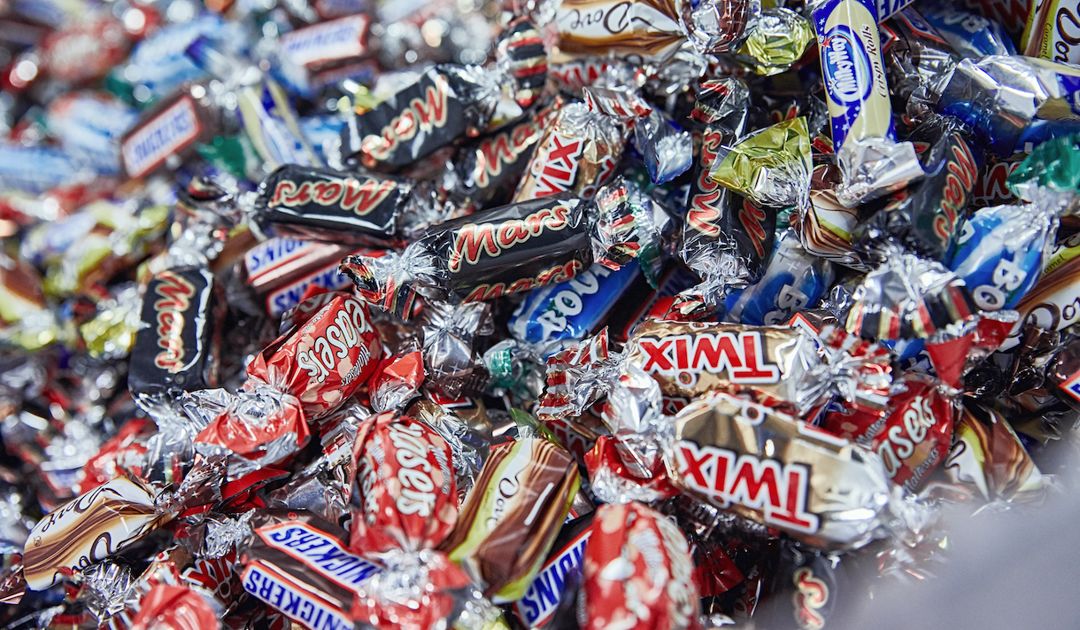
Work clothing seems like a small part of making a business more sustainable. However, the environmental impact of the clothing industry is significant. That is why at Nedlin, we find it important that our clients are aware of our sustainable clothing line. Jut like the American family company Mars, one of the biggest producers of candy, food and pet food.
Mars has been working according to a strict moral code for over an age. The company invests a lot in making their processes and products more sustainable. Heat recovery, heat pumps and more sustainable machines: Mars uses all kinds of technology to make the same products with less energy.
But the company had not thought of the option of sustainable work clothing yet. So when Nedlin contacted Mars and asked them if they wanted to take part in a test with sustainable work clothing, the company was interested right away. For the test, we chose clothing made of recycled PET bottles and wood pulp, but there are also other substances in Nedlin’s sustainable clothing line that make good alternatives.
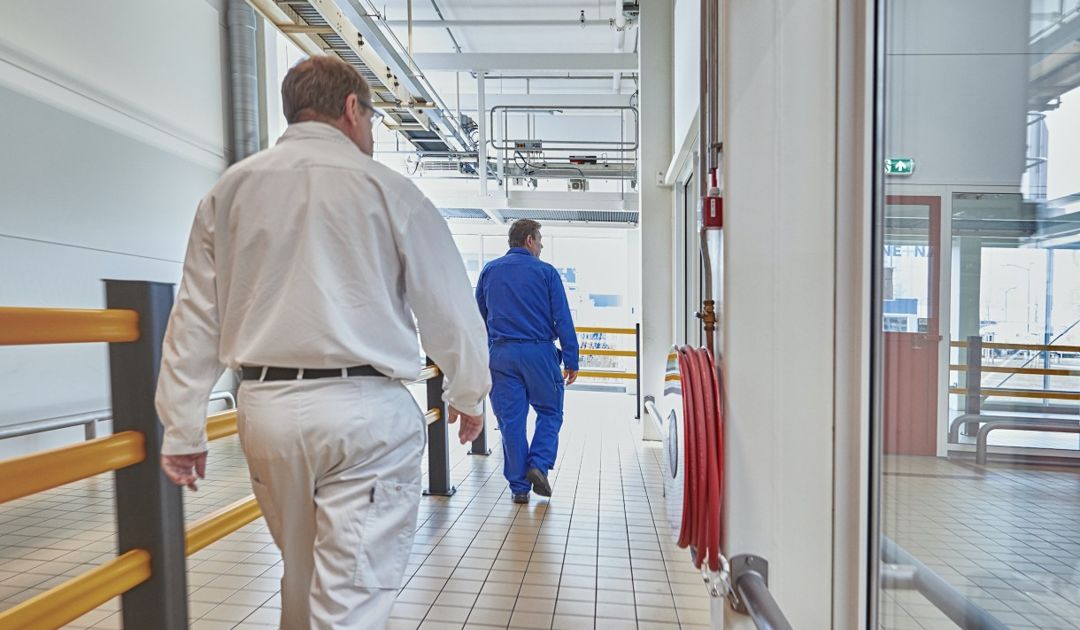
The wearing comfort of the clothing should be at least as pleasant as it is for cotton. After a few months of testing, we received positive feedback from employees. “The fabric is thinner than cotton and this may take some getting used to at first, but after a few times in the laundry, the fibre becomes more compact”, explains Ronald Verbeek, Team Leader PSG & General Cleaning Supply at Mars in Veghel. “Because the fabric is thin, it is very light, which is pleasant for the employees as well.”
René Snoek, who is wearing the new clothing himself, adds: “At first, some people were sceptical, because they found it hard to imagine that clothing made of recycled PET bottles would be nice to wear. The fact that the clothing felt thinner, did result in some remarks among the men. ‘Then I should start wearing nice pink underpants’, was a common joke. But during the test it turned out that the fabric is not see-through, so that joke was not relevant anymore.”
Snoek is very satisfied. And the same goes for most of the employees that he has asked to participate in the test. “I don’t want to go back to my old cotton suit”, he says. Nedlin chooses to do this test for Mars cost-neutral, because the company believes in this product. The clothing complies with all the important basic standards, like optimum protection for the person wearing it and the product that they are working with. But wearing comfort is also an important aspect.
That is the main point of the evaluation of this test. We chose to keep the same models that the employees were already wearing, and made them with TecaworkTM Ecogreen cloth. Because there are no differences in the models, those participating in the test can focus on the wearing comfort, the elasticity, moisture control, and heat extraction.
The fabric was in 2017 by Ten Cate Protective Fabrics, after extensive testing of many different blends. The fabric is sustainable, and the production chain is furnished to improve the living and working conditions of many people. For Ten Cate, the collaboration with Nedlin is very important. “Their priority is the end user, and it is good that they found Mars, a company that wants to test the end product. This way we complete the cycle, and make sustainable choices”, says Marcel Jansen, Market Manager Industrial Laundries at the company.
Of course it is amazing that a test like this contributes to our own sustainability ambitions. It is an option that we had not thought of yet.
While the test for the wearability of the clothing at Mars is ongoing, Nedlin is testing the laundry process internally. How does the process react to being washed fifty or a hundred times? The first results for this are also positive. Up till now, the clothing shrinks less than work clothing made of a cotton-polyester blend, and the quality is excellent.
Soon the test will be expanded with a line of sustainable women’s clothing. “I can imagine that their experience may be different”, says Snoek. In the meantime, his colleague Verbeek is looking forward to the time when clothing will be offered in other colours aside from just white. Because he himself is always wearing the blue Mars work clothing.
This could also be a good next step for Nedlin. But first, it is important to finalize the current wearing tests with white clothing. Of course, Nedlin hopes to gradually make all work clothing sustainable. The higher the demand, the more possibilities there will be to develop the clothing, for instance in different colours.
Verbeek: “This offers perspective. Of course it would be great if everyone could be wearing sustainable clothes here soon. Hearing the enthusiastic reactions from my colleagues, I am already looking forward to the first test with blue clothing.”
Results, outcomes and impact?
- Contribution to CSR goals
- Making the chain more sustainable
- Reduced environmental impact
- An involved partner that takes away your worries
- Less susceptible for shrinkage
- Safe and hygienic
- Wearing comfort
- Satisfied employees