

An effortless transition with full support from A to Z
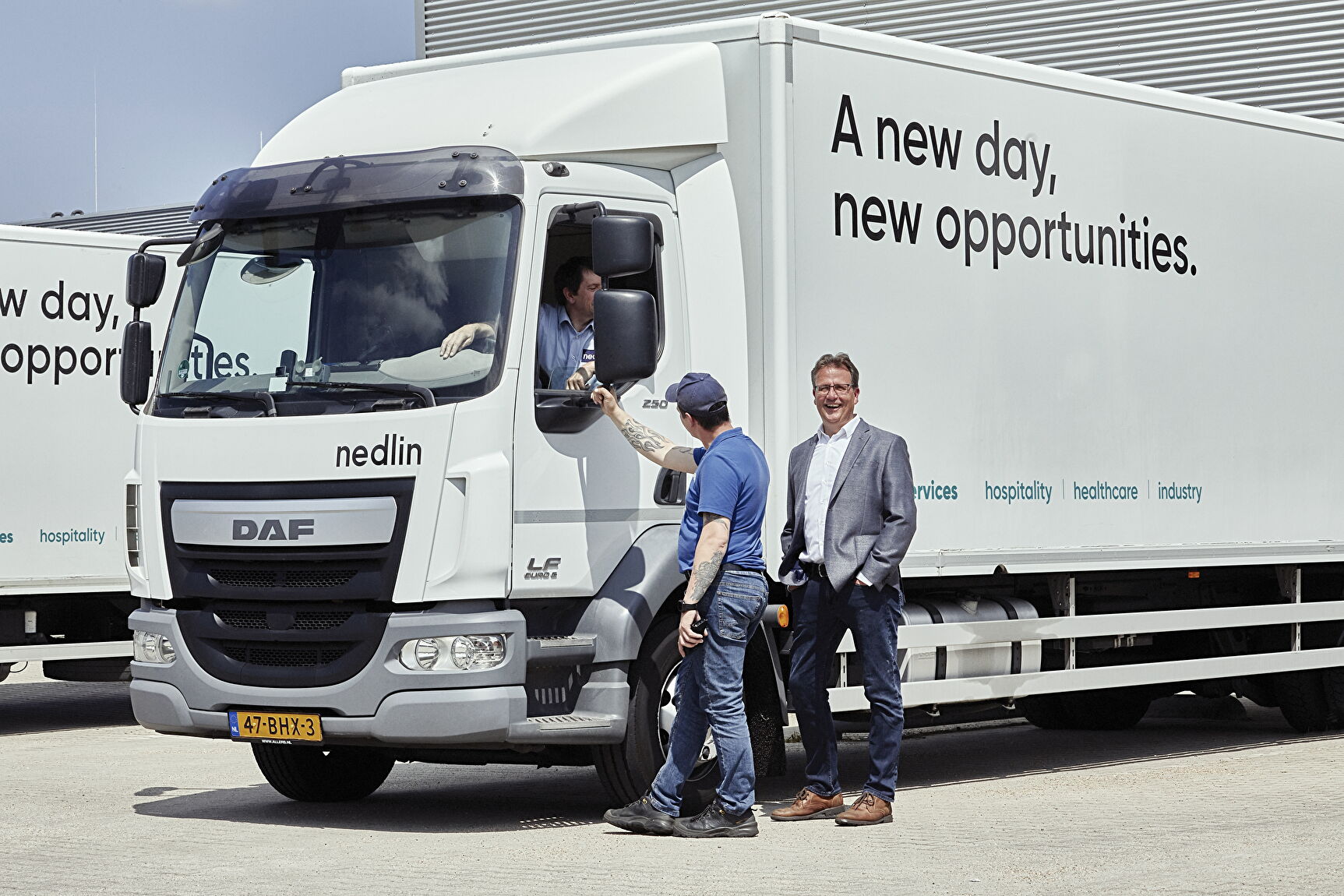
Switching to a new laundry service?
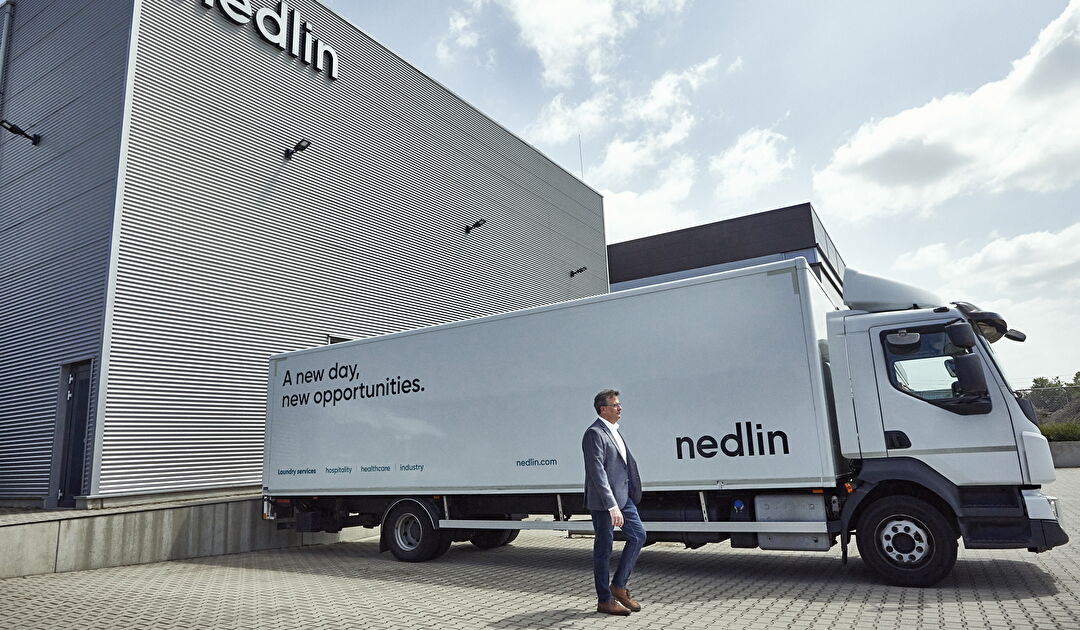
Many organizations hesitate to take the leap—concerned about extra costs or disruptions to their operations. But those concerns are often unfounded, says Bart Gort, New Business Development Manager Industry. With his dedication and years of experience, he ensures that the transition to Nedlin is smooth and beneficial—not just during the switch, but for years to come.
Let’s start with the benefits: Nedlin’s transparent rental model, exceptional efficiency, and sustainable choices in garments and washing processes quickly deliver financial advantages that competitors simply can’t match. At Nedlin, customers don’t pay rental fees for garments that have reached the end of their lifecycle or for items that have long been written off. Laundry and logistics are optimized to the highest standards. And thanks to sustainable choices, garments are both environmentally responsible and longer-lasting. That’s a win-win.
A transition requires careful organization, both in preparation and execution.
Simple and Seamless
Still, many companies are hesitant to switch to Nedlin. They worry they’ll need to immediately adopt a new clothing package. They fear that end users will experience disruptions in their daily work. Or they believe the transition will be too complex—so they stick with the current situation. A missed opportunity, says Bart, because that means organizations lose out on all the benefits. While with the right guidance, switching is actually very simple.
“A transition requires careful planning, both in preparation and execution,” says Bart. “Nedlin has extensive experience in this, which ensures a smooth switch for our customers.” For a basic transition, Nedlin typically plans six to eight weeks. “That’s essentially a switch of laundry service,” Bart explains. “We start by washing the existing garments and agree together on a later moment to update the clothing package.”
Preparation
The transition process begins with an intake, where Nedlin focuses on garment quality, logistics, pricing, and processes. We ask new customers to request information from their current supplier: how many garments are in circulation, and how many have already been written off? Meanwhile, Bart visits the work floor to get a first impression of the collection and working conditions.
Customers are often afraid that a lot of changes will take place. That’s why it’s helpful if we can explain how the process will unfold and assist in clarifying things.
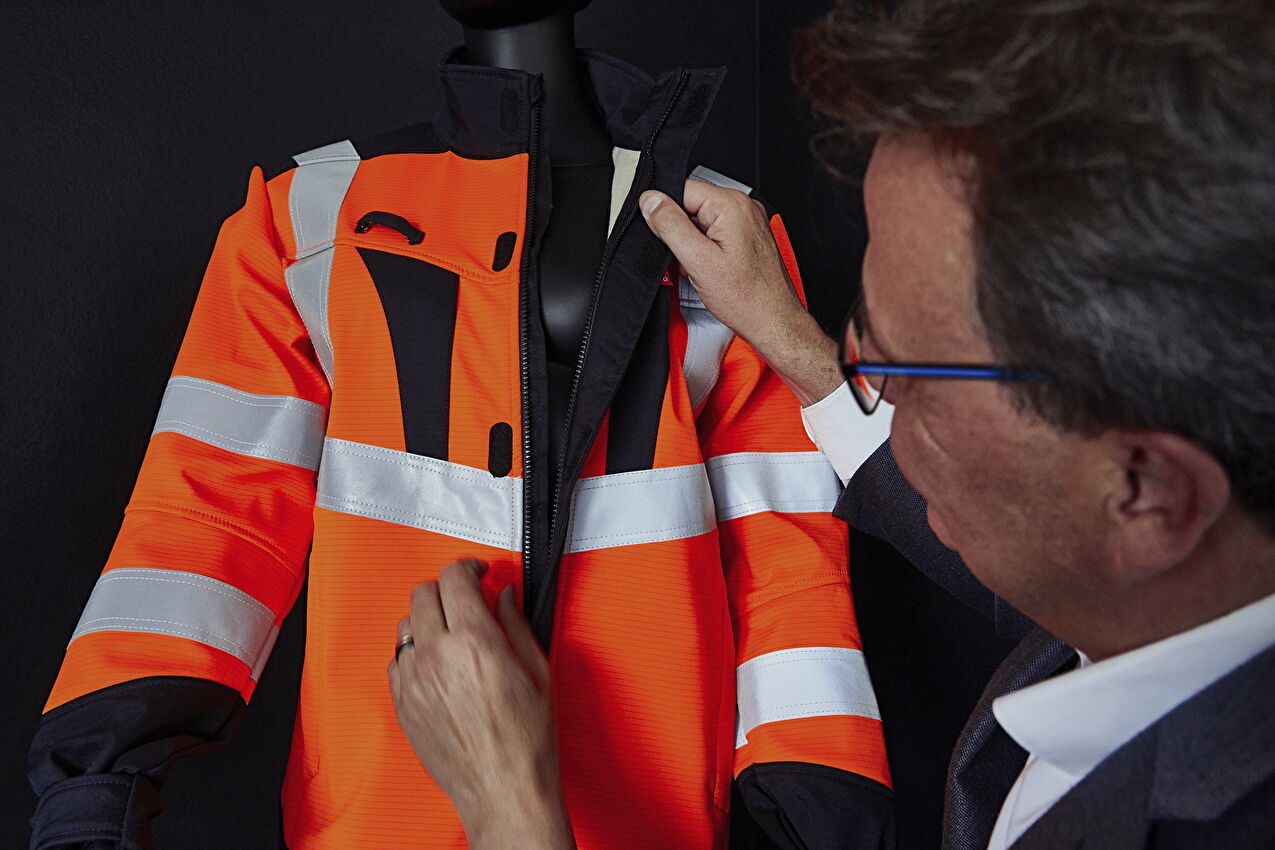
He maps out what the current clothing package looks like and what the wishes for the future are. How many delivery points are there, and how are they organized? And what does the financial model look like? Nedlin’s expertise is already highly valued at this stage. “Customers are often afraid that a lot of changes will take place. That’s why it’s helpful if we can explain how the process will unfold and assist in clarifying things.”
A New Clothing Package?
Customers who take the opportunity to adjust their clothing collection during the transition are well advised to plan ahead. Perhaps the internal clothing committee will get involved, or employees from various job groups will contribute to the clothing selection. “Allow about four months for selecting fabrics and test-wearing,” says Bart. “And another three months for the supplier to prepare the clothing.''
Customers can also rely on Nedlin’s expertise when putting together a new clothing package. “One of the questions I always ask is whether the customer wants to offer their employees a more comfortable collection.” After all, developments in clothing are ongoing: thinner fabrics now meet higher safety standards than before. If Bart notices during the intake that people work in relatively dark conditions or hears complaints about heavy clothing, he incorporates that information into his advice later on.
Tailored Advice
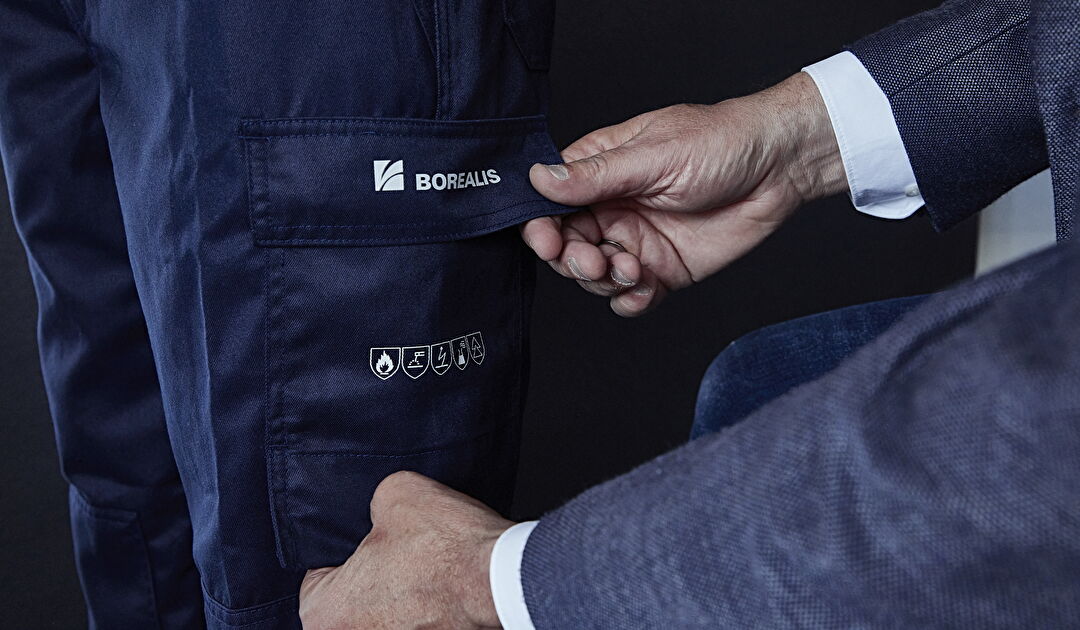
Bart also draws customers’ attention to the benefits of hi-vis elements. “Even in warehouses or on shop floors with large machines, visibility is important. And nowadays, fluorescent fabrics and reflective strips are highly washable, especially with our special washing program.” In addition, Bart compares the pros and cons of a custom-made versus a standard collection and always presents a sustainable clothing option.
Our advice goes beyond just clothing. We are also specialized in providing hygiene solutions and garment dispensing systems.
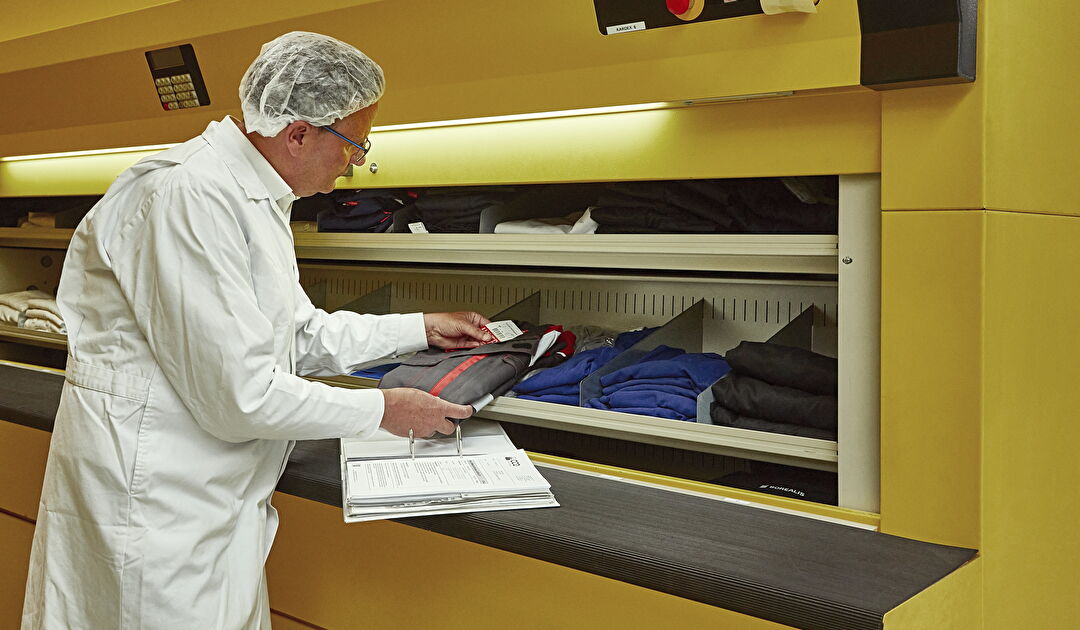
But Nedlin’s advice goes even further. The laundry service is also specialized in providing hygiene solutions, such as towels and entrance mats, in collaboration with Uniqcare. And Bart offers advice on lockers and automated garment dispensing systems like the Q-Gate, which customers can experience firsthand in the new Healthcare laundry facility.
Transparent Offer
New clothing collection or not: once all the information is in, Nedlin prepares a solid proposal. And that offer turns out to be exceptionally transparent. Bart: “We literally provide an open Excel file.” The customer can see exactly what impact a change in clothing or the number of employees will have. And most importantly: what the costs will be over a longer period. “I always advise customers to calculate over six years. After four years, most garments at Nedlin are rental-free. Then you’ll see that costs in years five and six drop significantly with us, while they remain the same with the competition.”
In years five and six, our costs have dropped significantly, while they remain the same with the competition.
Choosing a New Clothing Package
If the customer opts for a new clothing package with personalized distribution, Nedlin organizes fitting sessions to ensure every employee receives the perfect size. “The customer only needs to provide a space and make sure all employees attend.” Many customers also choose to wear out their old clothing first—and that’s our advice too. “Wearing out existing garments is more sustainable, so we usually recommend a gradual transition to the new collection based on wear and tear.” Although, as Bart laughs, reality can sometimes be different: “When employees see their colleagues in brand-new outfits, that wear and tear can suddenly accelerate.”
The Transition
When the switch is approaching, Nedlin invites the clothing managers to the laundry facility. “This way, they can see the process in real life. We provide training on the Nedlin app and the clothing portal, so they know exactly what happens when they make a change in either system. In addition, we help the customer with internal communication, so employees know what to expect.”
New customers are usually surprised by how easy and smooth the transition is. No matter how complex the process, our expertise ensures it always runs flawlessly.
The Transition Itself
The actual switch happens almost seamlessly. Employees drop their clothes in the laundry—and either get their old garments back through Nedlin or receive their new clothing. “New customers are usually surprised by how easy and smooth the transition is. No matter how complex the process, our expertise ensures it always runs flawlessly—whether customers keep their existing garments or start with a new package.”
Never in a Hurry
Moreover, Nedlin never rushes this entire process. “Our advice is always without obligation. Even if it takes years of conversations before we start working with a customer, I’m always willing to help.” That’s truly the Nedlin way: “Customers appreciate that. Even during tender processes, when companies haven’t yet chosen a new laundry partner, I notice they use us as a benchmark. They really trust our advice.”
That’s no surprise, Bart believes. The transparent calculations and honest way of doing business prove that Nedlin is committed to long-term partnerships built on trust. His own involvement continues even after the transition. Although the account is handed over to one of the account managers, Bart never completely disappears from the picture: “I keep an eye on things from the sidelines. And of course, I’m still available. Customers can always reach out to me.”