

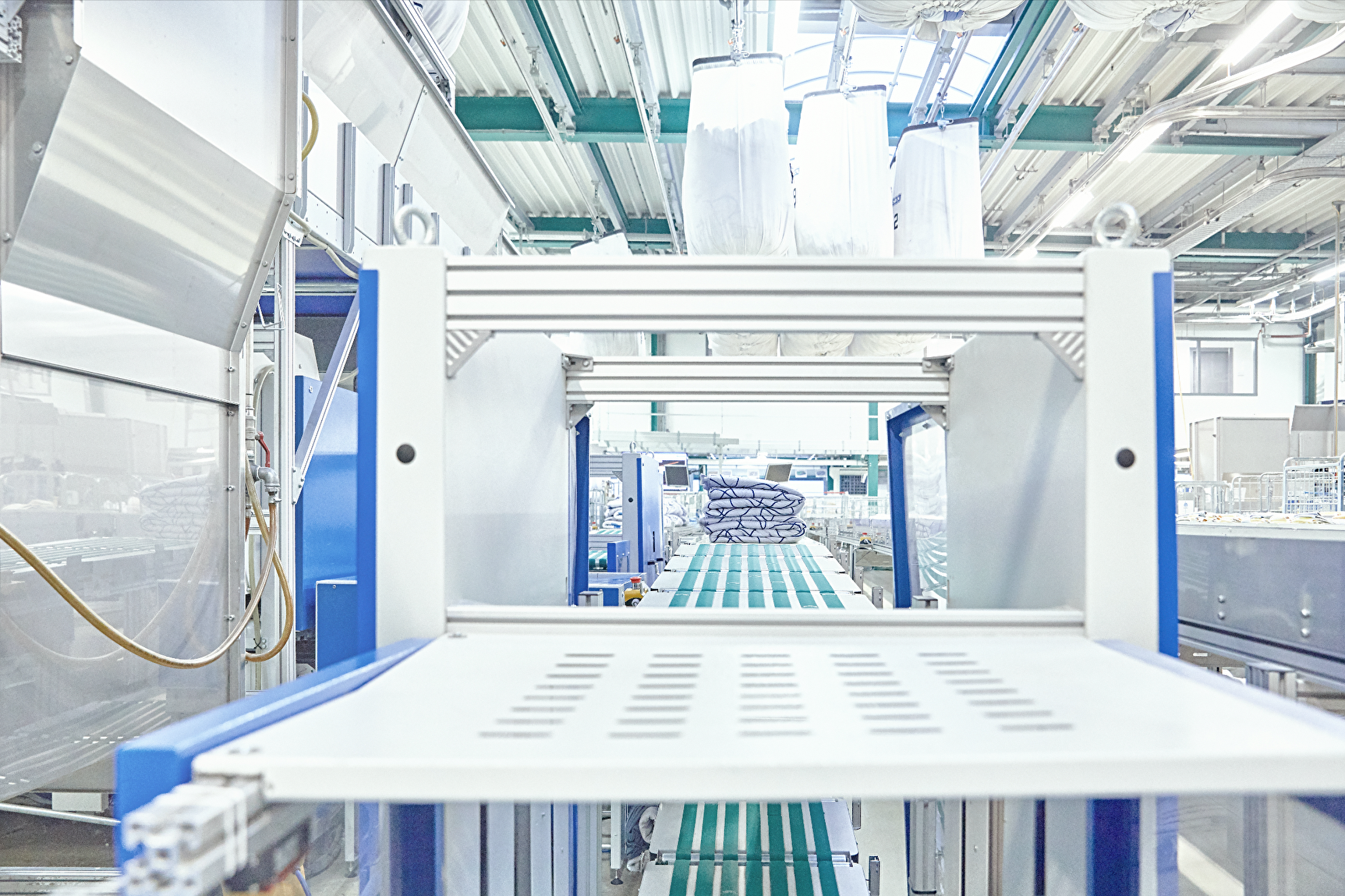
The greatest environmental gains are achieved within the laundry itself, not before, during procurement, or after, at the end-of-life stage. It's in the ultimate efficiency of each wash cycle, day after day, year after year. Luuk de Win, who co-manages the laundry with his brother Stef, explains precisely where this advantage lies at Nedlin. Why it's greater compared to other laundries. And why reusables are important, but the washing process even more so.
Disposables are the major stain on any hospital aiming for sustainable operations. Items like surgical caps, isolation gowns, and operating room blankets that are discarded after a single use represent what's wrong with our material handling practices. And until recently, they were very popular, primarily due to their lower cost. "Disposables have been cheap for a long time," Luuk says. "The purchase price of these items is lower than that of reusables."
However, when you factor in handling and waste disposal costs, that advantage evaporates. Moreover, Luuk observed during the COVID-19 pandemic that hospitals suddenly paid a premium for disposables. "Because all those products come from China." As a result, and because sustainability in healthcare is becoming increasingly important, reusables are now on every hospital's wishlist.
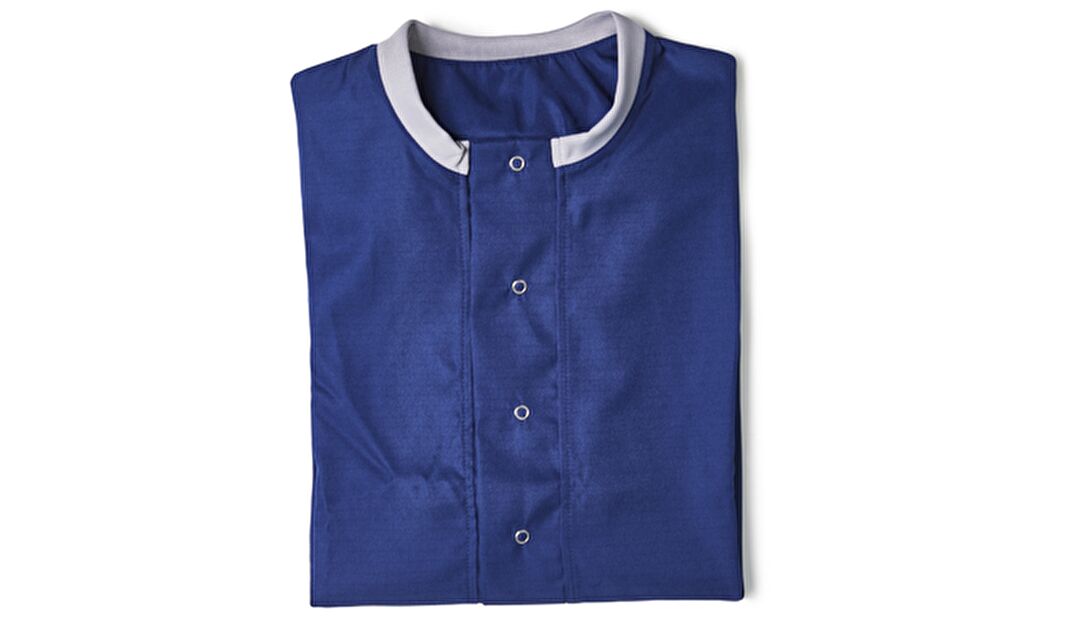
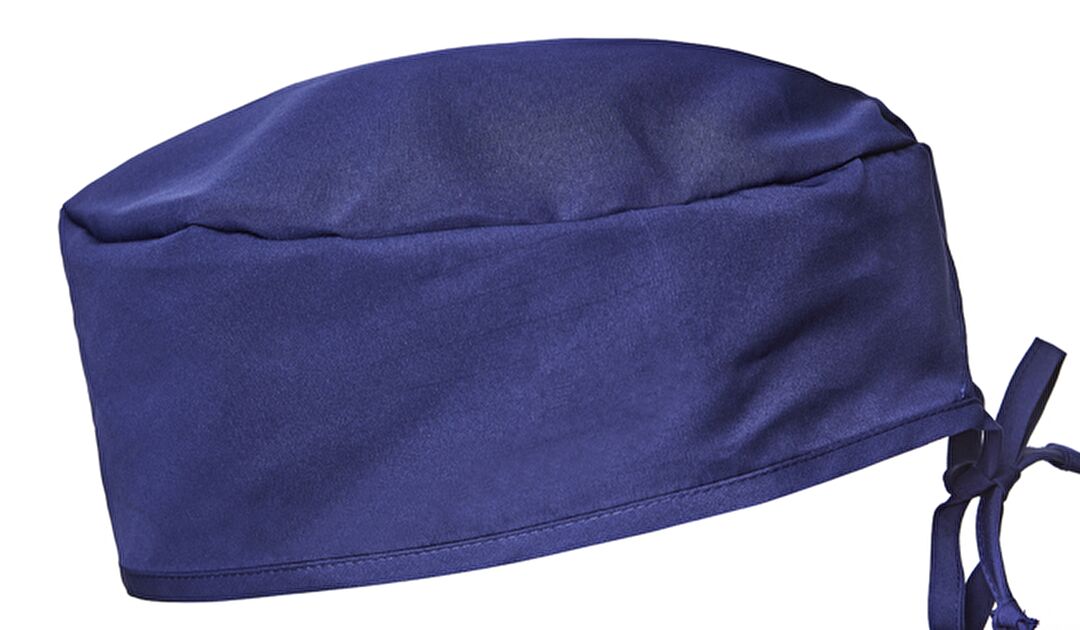
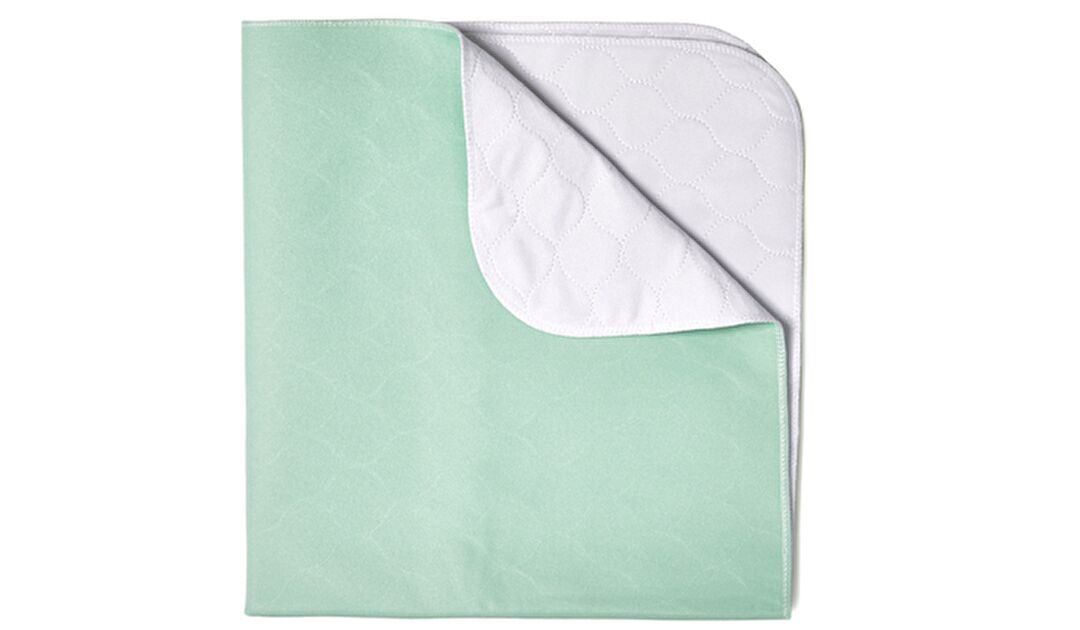
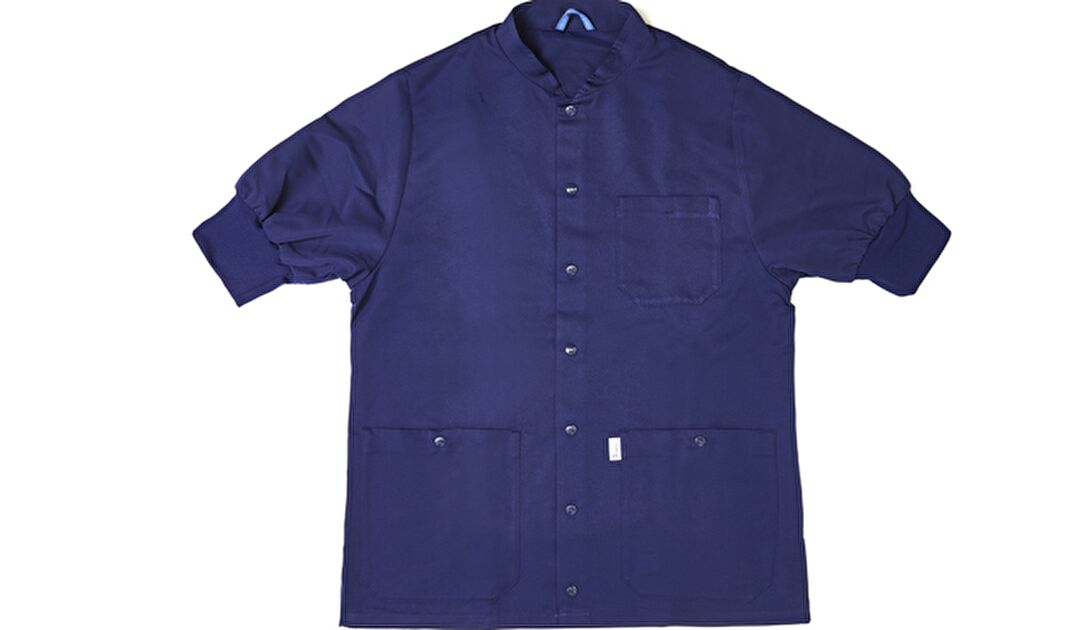
The next step in sustainability
Nedlin provides a sustainable alternative for necessary items. These are products that last for years, reducing the hospital's waste significantly and eliminating dependency on the volatile global supply market, ensuring employees always have access to them. Ultimately, these products are also more cost-effective. However, the sustainability gain from washable surgical caps and other products is limited. "Reusables account for only 1 or 2% of the total linen package," explains Luuk. "The other 98% is already reused repeatedly."
For that 98%, Nedlin offers a sustainable package. Yet, even that doesn't provide the biggest gain. "If you really want to make a difference, you have to look at a laundry that thinks about the next step in sustainability," says Luuk. "That's where the most CO2 savings happen, even more than in the production of the linen itself." And it starts with sustainable process design in a sustainable building.
Energy
A laundering process consumes a lot of energy. We have explored what we can do with proven technology to minimize our energy consumption as much as possible. We have made fundamental choices. This was only possible because we started from scratch. In the process, we now reuse all the water so that we only need a small amount of water for evaporation and sludge disposal.
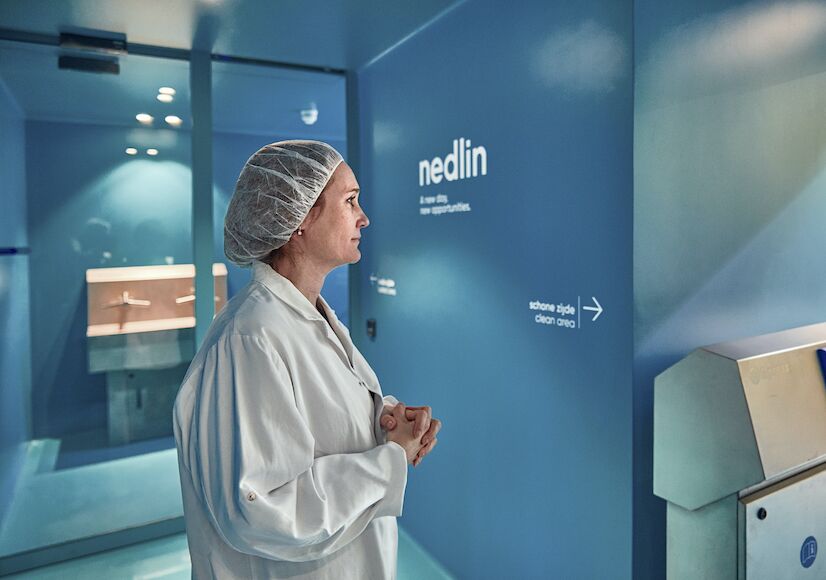
Our energy consumption was already lower than the industry average and has now been further reduced by approximately 45%.
The existing Hospitality laundry is now connected to the new water system. Thickly insulated basins maintain the temperature of the purified water at 40 degrees Celsius. Waste heat from ironers, dryers, and finishers raises it to 50 degrees Celsius. Only a small amount of energy is needed to bring it up to 60 degrees Celsius, the temperature required for washing.
45% CO2 savings
The machines are new and advanced. Dryers have a heat recovery system, and ironers operate not on steam but with burners," says Luuk. "When you implement these kinds of interventions comprehensively, you make enormous strides. Our energy consumption was already lower than industry standards and has now been further reduced by approximately 45%. We generate most of the electricity with our own solar panels."
Furthermore, the new Healthcare laundry is built to BREEAM Outstanding standards, the certification method for sustainable building environments. From construction materials to green spaces, proximity to bus stops, and the installation of 2,564 solar panels on the roof, BREEAM ensures that Nedlin chooses the most sustainable solutions in every aspect of the building process.
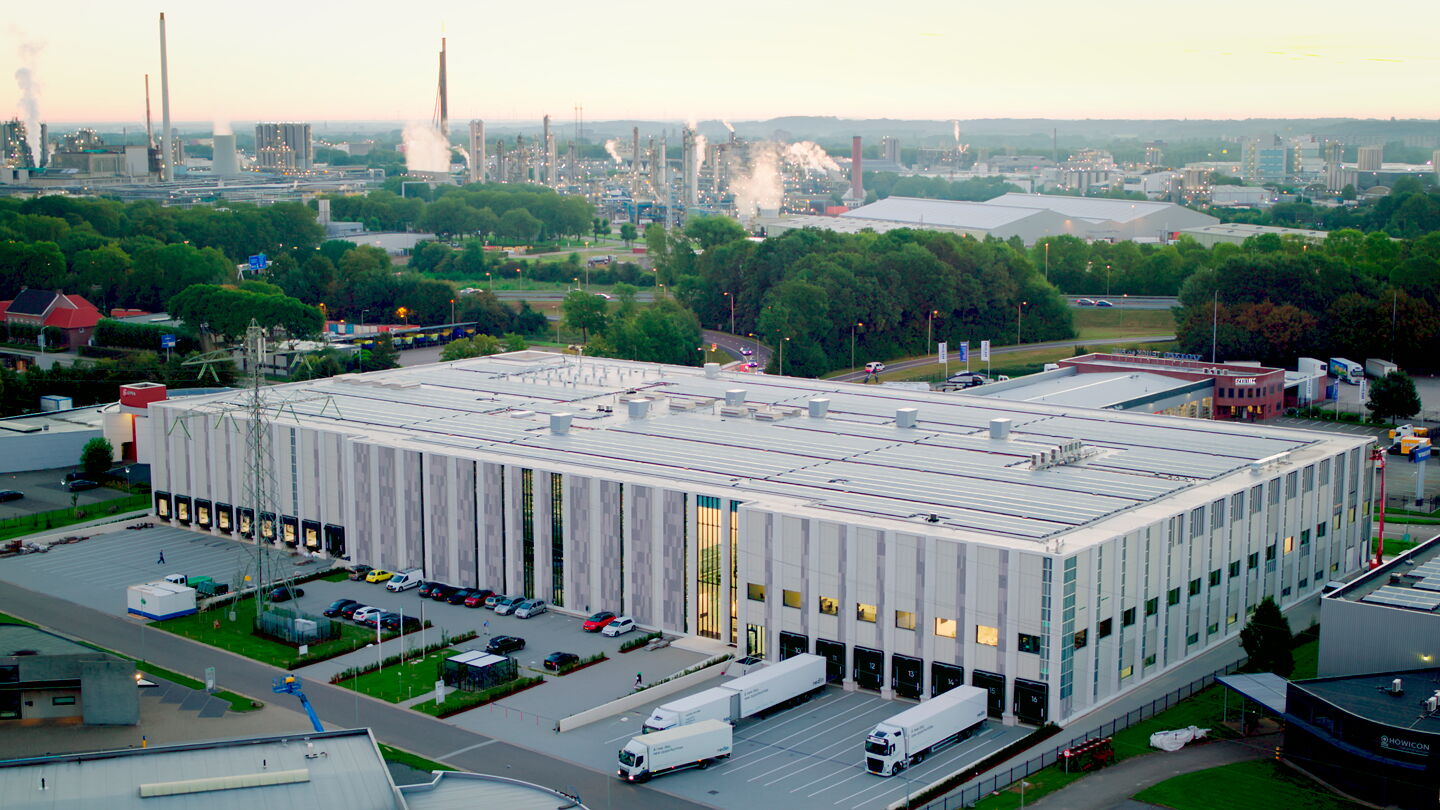
The new Healthcare laundry now sets a new standard for sustainable industrial washing in every respect. The other pillars of sustainable textile management—product, transport, and end-of-life—have a relatively small impact but still receive full attention. This is evident from the offering of reusables and sustainable linen, as well as the 'campaign against waste' conducted by Nedlin with all its clients. Additionally, there is the implementation of chipping part of the flat linen for enhanced insight into the linen flow.
As a sustainability pioneer, Nedlin also optimizes the transport of laundry for maximum sustainability. This includes prioritizing large volumes and closely monitoring developments in the transport sector. For linens that are ultimately retired, Nedlin collaborates with other industry partners through the textile cooperative CIBUTEX. Alongside Dibella, Blycolin Textile Services, Edelweiss Groep, and Lamme Textile Management, Nedlin works on creating circular linens of the highest quality. This initiative transcends industry competition, as Luuk explains, "we do not believe in competing on sustainability."
The payback period is long, so a laundry facility like this is only established if you truly believe in it.
Therefore, Nedlin is the sustainability pioneer in the laundry industry. "We are way ahead of the curve. It's necessary. You need people who think differently and are willing to invest in sustainable solutions. The payback period is long, so you establish a laundry like this only because you believe in it, because you see at a strategic level what is needed to make the supply chain more sustainable. We do this out of conviction, because as a company, we believe it's important to not only operate for ourselves but also for future generations."