

The gamechanger in controlled linen management
A major innovation in Nedlin Healthcare’s laundry is the integration of UHF RFID technology into the entire flatware production process. From linen entry to dispensing, chips are automatically recorded at crucial points in the laundry and linked to delivery note and location. A unique situation, says Commercial Director Andrea Meuwissen, with plenty of benefits for customers and laundry.
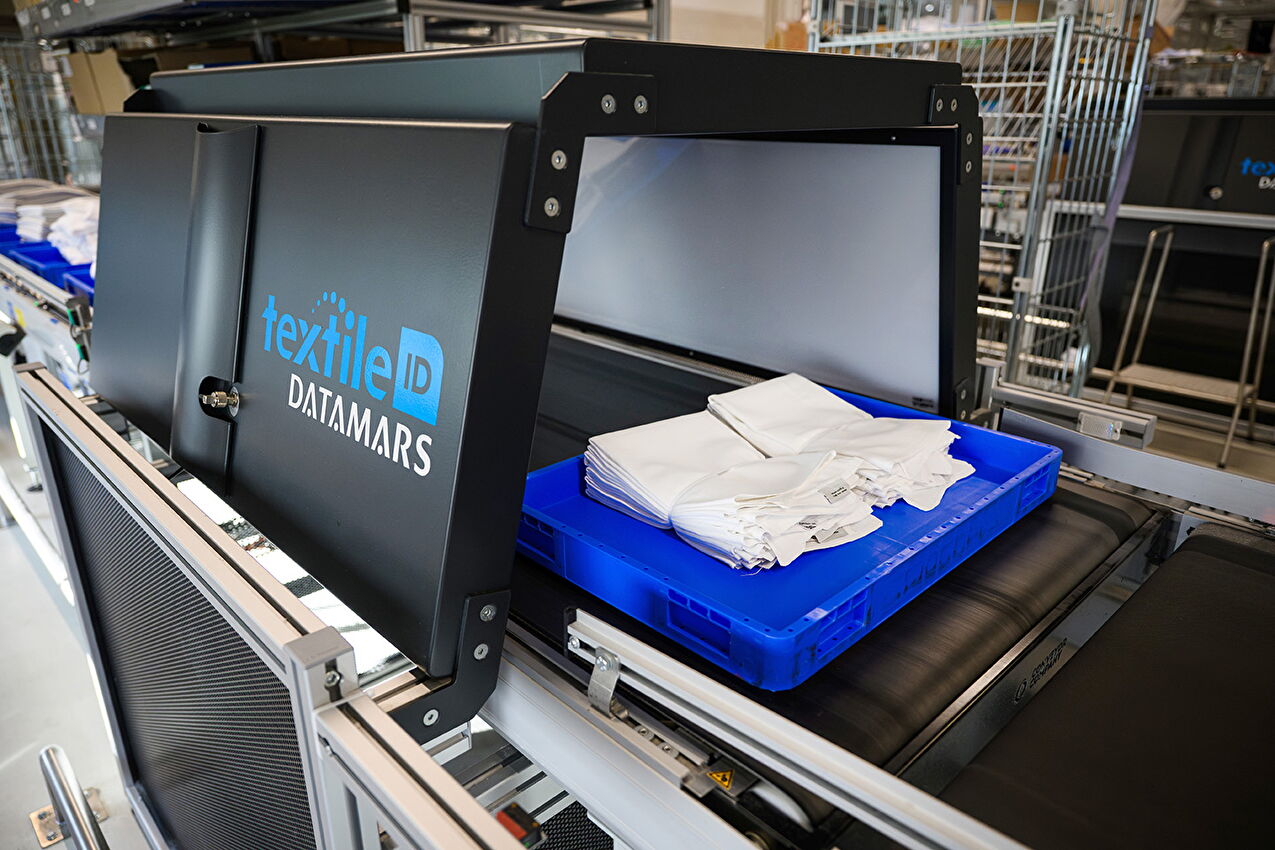
Andrea, what is UHF RFID-Technology?
“UHF stands for Ultra High Frequency, RFID for Radio Frequency Identification. It is a technology that allows you to read data remotely. To this end, part of our flatwork is equipped with an RFID chip. With UHF RFID, items can be read individually and in bulk. This is not revolutionary in itself. But the data read out is only 100% reliable if the technology is fully integrated into the production flow, and that is the case here. There is no other laundry that has secured the system like this.”
Why is that data so important?
“Nedlin makes every effort to ensure that customers always have enough linen, at the right time and place. Three factors are important here. First, there’s the linen returning from customers. After all, our customers are also our suppliers. The linen brought in dirty is the same linen we can deliver clean - supplemented by a daily injection of new goods.
Second is the flow in the laundry. Is the process in order, is the stock correct? Have we processed enough volume? And thirdly, the laundry is responsible for a constant influx of new linen, because something can always break down, or disappear. By analysing the extracted data in a Power BI dashboard, we get an even better grip on these three factors.”
So what does that data show?
“For linen procurement, the RFID chips give us a lot of information. For example, we have planned an annual deployment of new linen for 2025, based on the average loss rates per item last year. This way, we do not buy reactively, but use items proactively. It allows us to maintain our linen pool much better and better match our supply to our customers’ demand.”
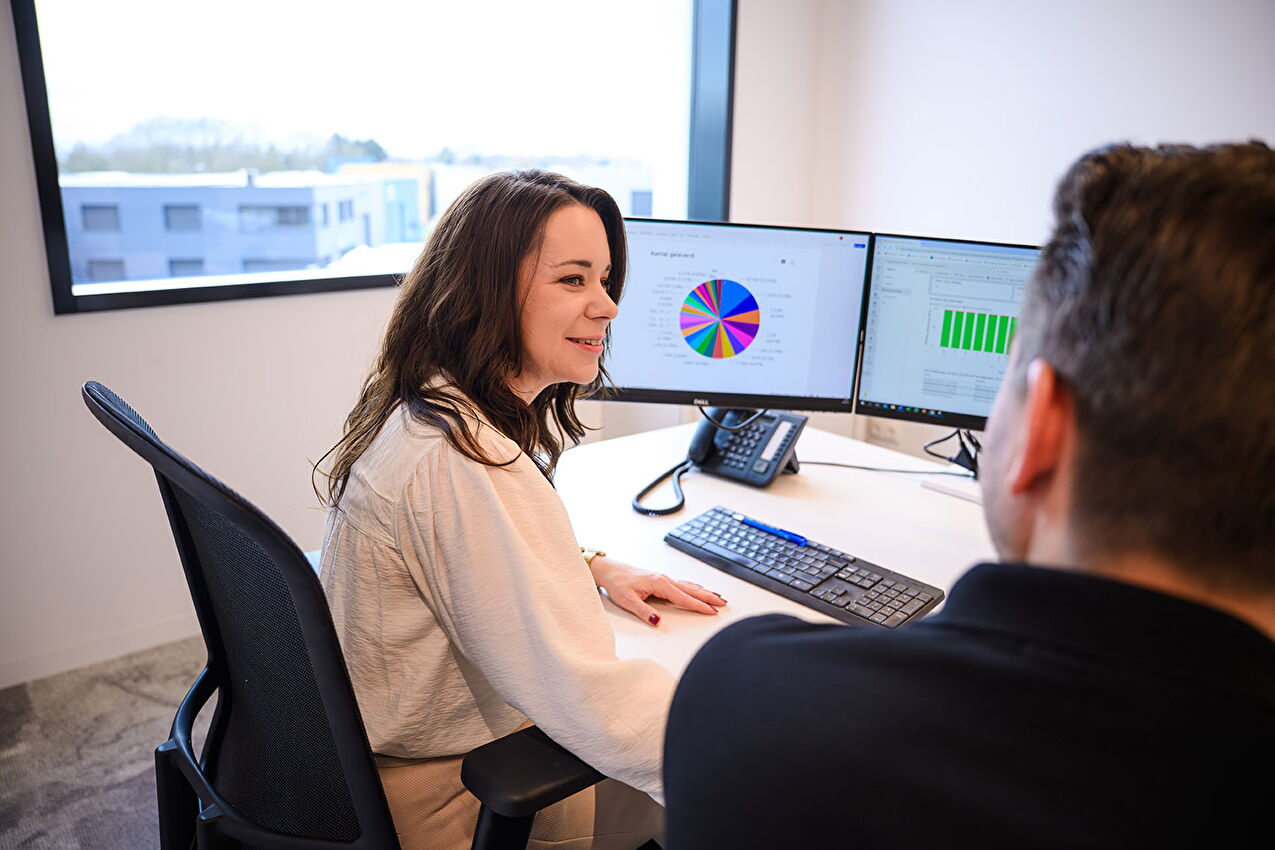
And if you look at the first factor, the customer as the supplier?
“Many departments are doing just fine. But specific articles, and sometimes specific departments, stand out for better or worse. We have long suspected, for example, that there is a large loss of linen in emergency rooms, as bed linen goes with the ambulance. Now we see from the figures that this is indeed the case.”
So where does that linen go?
“That question is harder to answer. Children’s IV gowns, for example, appear to have an incredibly long lead time. These are presumably just sitting in cabinets. IV gowns for adults are probably often thrown away. But where the diapers and wraps go? The only thing we can see is that they don’t return to the laundry.”
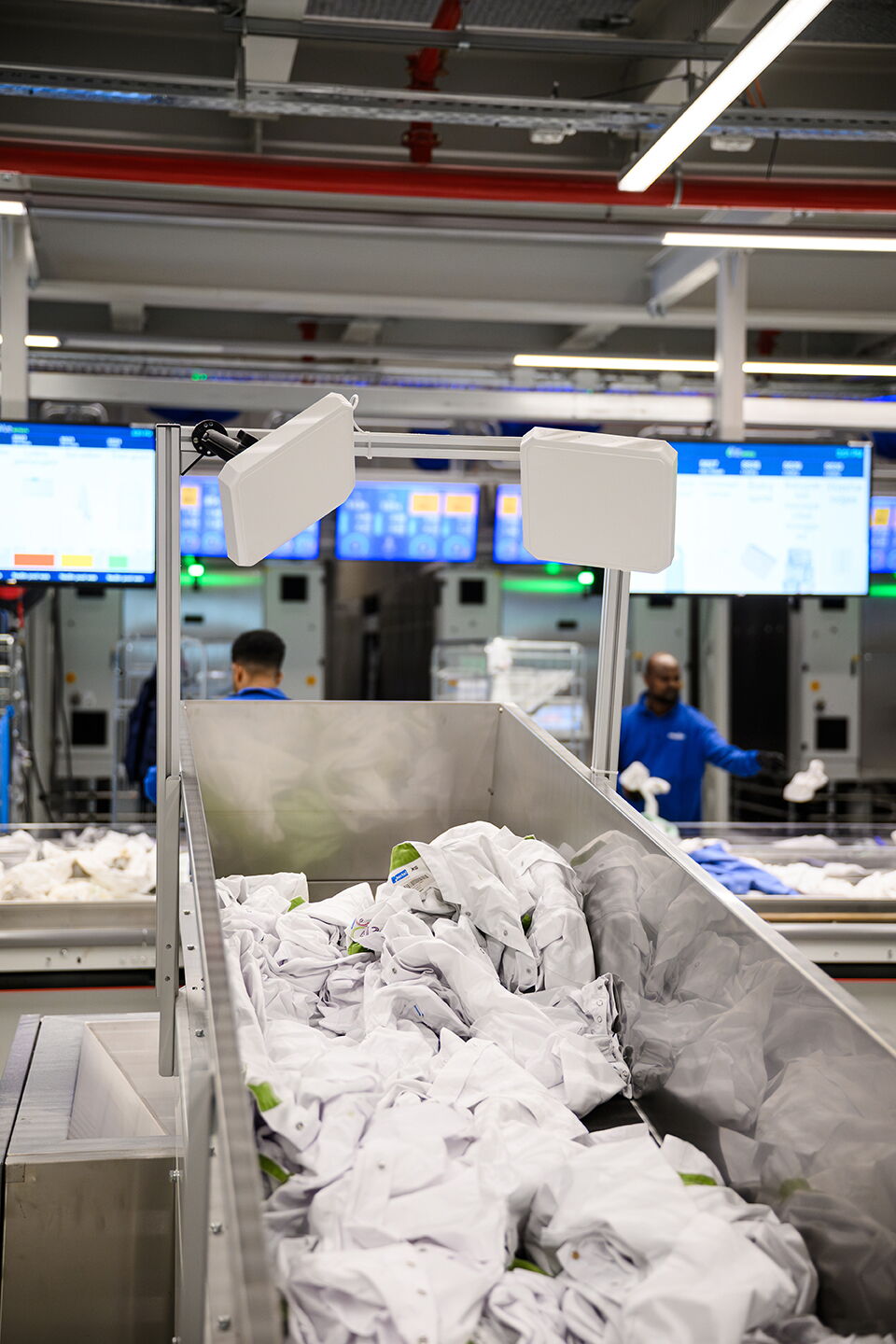
So what can you do with that data?
“The conversation we have with customers is changing because of the insights we gain from this technology. Linen managers are very happy with it because they - like us - can have a much more focused conversation: we with our customers, and they with their own departments. ‘Where are things going well and where aren’t they? Why is that? What can we do together to also get that department, or that article, to the desired level?’”
What does that ultimately achieve?
“The figures show our customers that we really need them to take the next step. If we address these disappearance rates, together we will keep costs in check. It may only be about a few pieces per day or week per department. But those numbers add up. In addition, there is less waste, so it is more sustainable. And the end result is better for everyone. This is how we make a difference together.”