

Small effort, big impact
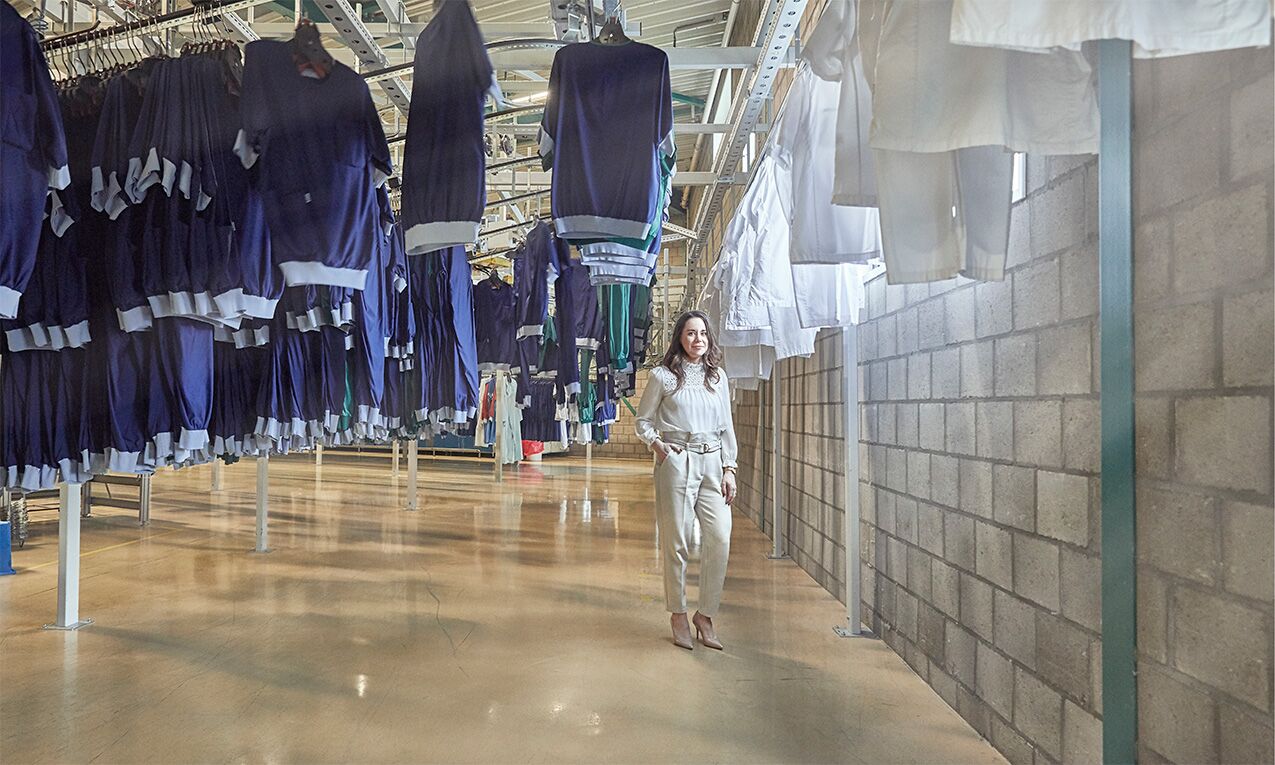
Every year, tens of thousands of items disappear from the linen inventory in healthcare. Washcloths end up in the trash, and towels remain unused in closets. This is a significant problem because if the dirty linen doesn't return to the laundry, Nedlin cannot wash and deliver it. Healthcare workers are left empty-handed, and linen costs rise. Andrea Meuwissen, Commercial Manager Healthcare, explains how Nedlin is working together with hospitals to campaign against linen waste.
"A washcloth can be washed up to 100 times. However, most washcloths are used only 3 or 4 times before they disappear," says Andrea. "Every two years, our entire inventory of washcloths is replaced." Or consider diapers and tea towels: they are washed at most 7 times a year, while ideally, it should be 20 to 25 times. This has significant consequences for healthcare institutions because Nedlin relies on what comes in to deliver clean laundry.
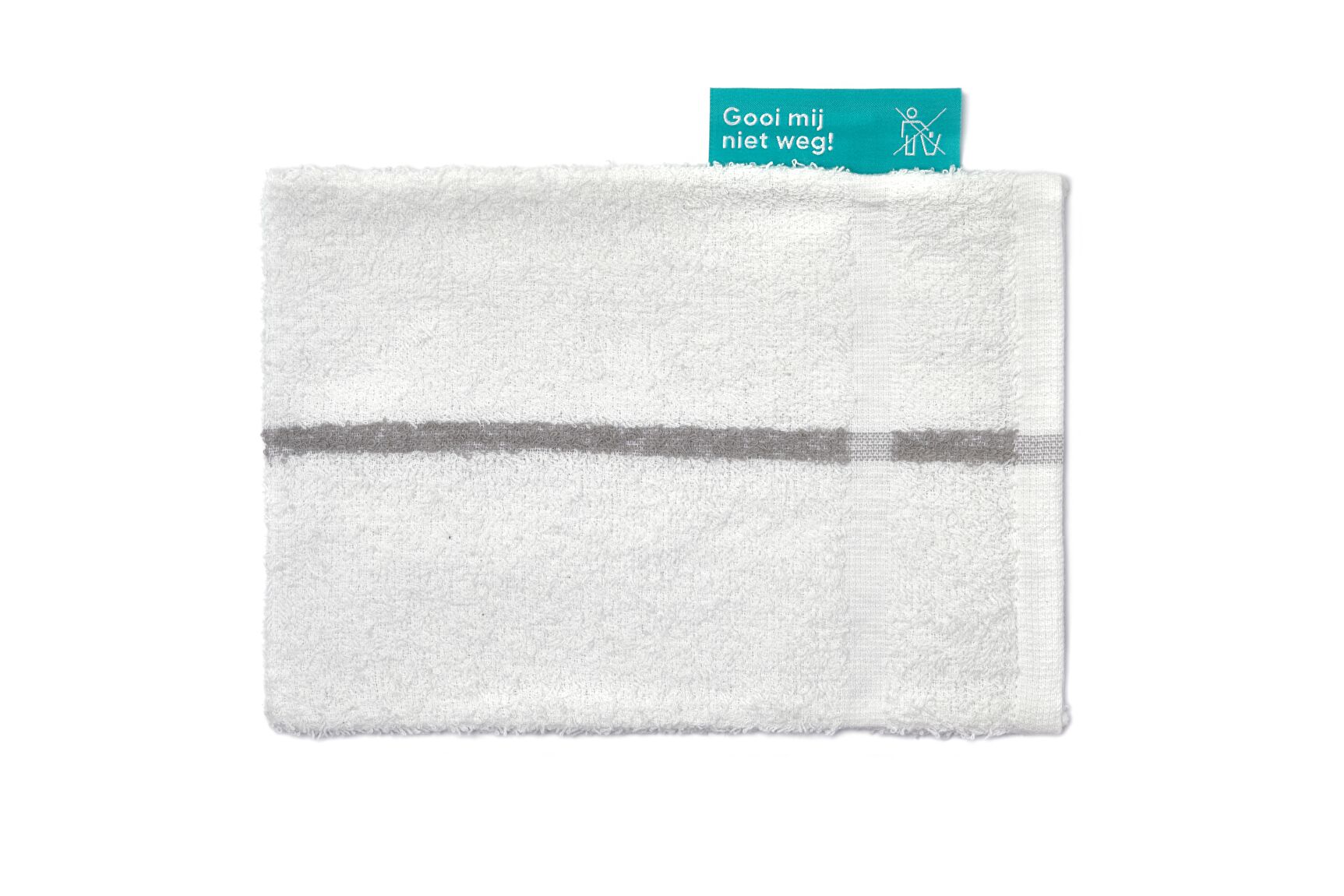
It's an absolute shame that our sustainable, certified linen ends up in the trash.
"To meet demand, we rely on receiving as much linen as we deliver," explains Andrea. "If less linen is consistently returned than what we need, we must purchase more, which impacts our cost structure. By collectively managing waste, we keep costs low and reliability high. It's also more sustainable. It's heartbreaking to see our sustainable, certified linen ending up in the trash."
Identifying the issue
To reduce linen waste, students from Hogeschool Zuyd first conducted research. They assessed how linen is managed in several healthcare facilities in South Limburg. The findings were promising. Andrea says, "We found that healthcare workers are willing to help reduce waste. They are interested in sustainable solutions and are eager to contribute."
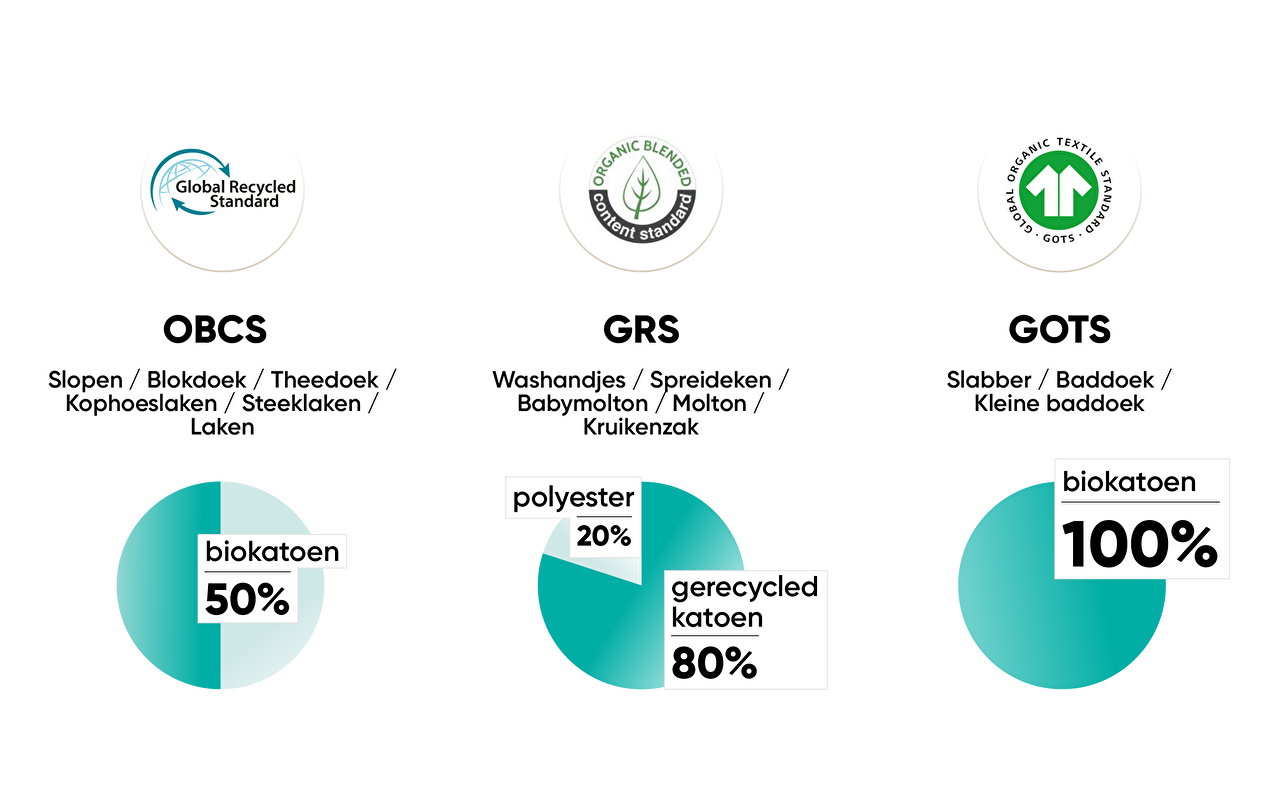
However, healthcare workers don't often interact directly with Nedlin. "Knowledge about linen packages and procedural agreements tends to stay with our contact persons, who often lack time to extensively discuss these matters with the staff. As a result, healthcare workers often don't know that all our linen is certified by GOTS, OBCS, or GRS standards."
Campaign against waste
"A campaign against waste aims to change this situation. It focuses on two aspects: linen not returning to the laundry and waste found among the returned laundry. Linen disappearing from the washing process ends up in trash bins or linen closets, or it is taken out of the hospital."
75% of the respondents indicated throwing away washcloths multiple times per week. This isn't out of mischief but because they believe the cloths can no longer be cleaned effectively.
For example, healthcare workers may not realize that a washcloth can always be laundered, no matter how dirty it seems, or that using a bath towel to clean the floor will make it impossible to clean. '75% of the respondents indicated throwing away washcloths multiple times per week,' says Andrea. 'This isn't out of mischief but because they believe the cloth won't come clean or they don't want to burden us with such a dirty item in the laundry.'
Sometimes linen ends up in the trash accidentally, like when waste bins and linen collection bins are placed side by side. Andrea notes, 'This problem can be easily solved with a simple adjustment.' It also pays off to rethink the process together. 'Washcloths are often used for cleaning, readily accessible, while disposables are stored elsewhere. The question then is how we can make this process smarter so that it's easier for staff to do it right.'
Overflowing linen cabinets
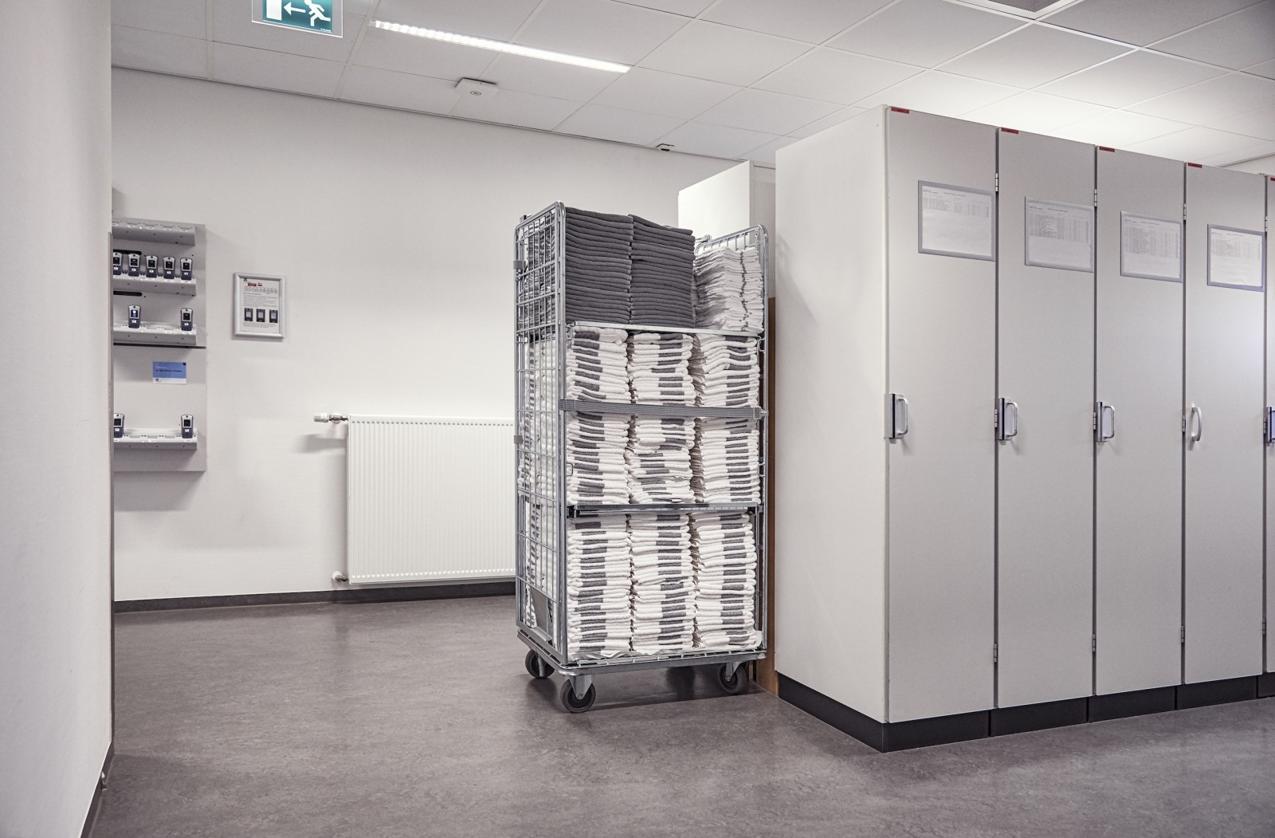
Inventory management could also be improved. 'On some units, linen cabinets are stuffed full,' Andrea explains. 'This keeps the linen close at hand when needed, but it also means a lot of linen sits idle. It doesn't circulate to where it's really needed, which increases costs as more linen is required.'
Then there's the linen that doesn't end up in the trash but also doesn't return to Nedlin. 'We sometimes see people taking their work clothes home or grabbing a towel quickly for sports and forgetting to return it,' Andrea mentions. This also reduces the circulation of linen. Andrea always advises staff to leave the laundry in the hospital. 'This prevents problems on the unit. Plus, we excel at washing. So, there's no need to do it yourself. Industrial washing is also much better for hygiene.'
Melted plastic
Meanwhile, waste among the linen is causing entirely different problems. During sorting, employees often handle it directly with their hands. If they manage to spot it, because waste such as plastic underpads, gloves, face masks, and CTG electrodes can easily slip into bath towels or fitted sheets. These items then end up in the washing machine, where plastic particles contaminate the water. However, the biggest issue arises in the dryers.
'When plastic gets into the dryer, it melts. It sticks to the dryer walls, reducing drying capacity. The melted plastic hardens and forms hooks that snag holes in the fitted sheets. This is definitely not what customers expect. Moreover, we have a dryer out of service almost every week because we have to manually remove the melted plastic, not to mention the fire hazard!' Andrea explains.
The people on the units make the beds and handle the cleaning. They can make the biggest difference on this issue.
"Now we are collaborating with our clients to identify disposables that can be replaced with reusable products. For instance, underpads pose significant challenges, yet there are excellent reusable alternatives available in the market. To reduce environmental impact in the sector, circular practices in healthcare are gaining traction. Achieving sustainability requires examining all components across the supply chain."
"Nedlin is, of course, continually making strides internally as well. The new Healthcare laundry facility will further automate the sorting process, which should contribute to reducing the issue," Andrea explains. "We are doing everything possible to combat waste, but we cannot do it alone. We truly need our clients' cooperation. The people on the units make the beds and handle the cleaning. They can make the most significant impact on this issue."